



BATTLE FOR AWGU–ANINRI- OJI RIVER FEDERAL CONSTITUENCY 2027: THREE CANDIDATES, DIFFERENT RECORDS, ONE CRUCIAL CHOICE
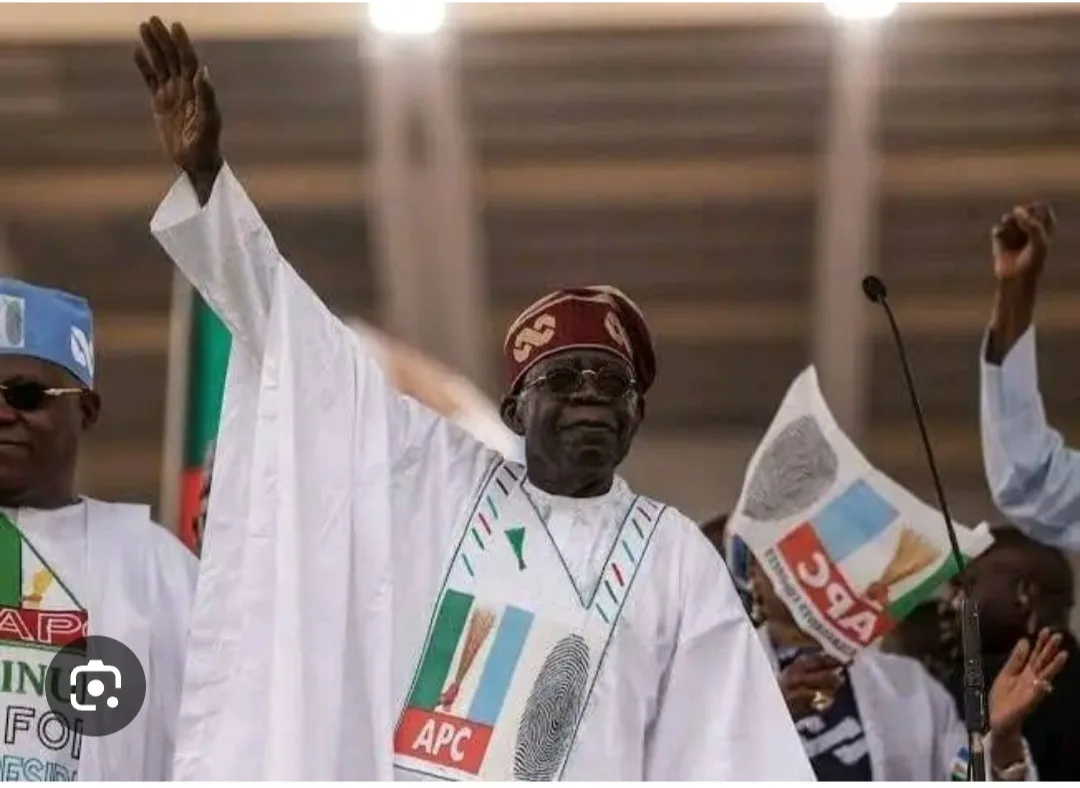
The race for the Aninri/Awgu/Oji River Federal Constituency is assuming greater political significance ahead of the 2027 general election with major contenders like Hon Chinedu Onyeagba of the African Democratic Congress(ADC) Hon. Befford Anayo Onwuegbu of the All Progressives Congress (APC) and Dr. John Okechukwu Nwokeabia of the National Democratic Congress(NDC) among the candidates attracting attention. A review of publicly available records shows that the three politicians are coming into the contest from markedly different political backgrounds. For De Accolade Magazine, that difference is important because the electorate should not be asked to make its decision on party slogans alone. The candidates' previous public positions, documented activities and current programmes deserve serious examination. Hon Onwuegbu, the current landlord ofthe constituency has sponsored legislation concerning the constituency and its wider development interests. One documented example is the bill seeking the establishment of the Oji-Ebonyi River Basin Development Authority. He has also pursued the proposed conversion or upgrading of the Achi Joint Hospital into a Federal Medical Centre, an initiative reported in July 2024. These activities do not, by themselves, settle the question of whether voters should support him. They do, however, give the electorate something concrete against which his present campaign can be measured. The question for Onwuegbu is therefore no longer simply what he intends to do. The electorate can reasonably ask what has been achieved during his period in the House, what remains outstanding and what he intends to do differently if returned. Hon Onyeagba brings a different record to the contest. Before his current federal ambition, he served as Chairman of Oji River Local Government Area. Reports from that period record his administration's efforts in security, education, roads, water, solar street lighting and local economic empowerment. During a 2023 assessment involving labour, journalists and civil society representatives, projects cited included boreholes, school renovation, road grading, a civic centre, security support and vocational initiatives. There were also public commendations of the administration's security and empowerment efforts from Oji River youths. Onyeagba's present campaign has moved the argument from local government administration to federal representation. He has spoken about establishing small-scale industries, developing local raw materials, empowering women and training young people if elected. That creates an important question for the electorate: can the experience and ideas he presents be translated into effective federal legislative representation? Dr Nwokeabia comes into the race with yet another political background. He was the Labour Party's deputy governorship candidate in the 2023 Enugu State governorship election, running alongside Hon Chijioke Edeoga. His subsequent political activities have kept him within the opposition political space, and in 2026, NDC stakeholders were reported to have urged him to contest the House of Representatives seat for the constituency. Unlike Onwuegbu, however, the public record reviewed by De Accolade does not establish a comparable period of federal legislative service for Nwokeabia. That does not mean he has no achievements. It means that voters should demand that his campaign clearly presents his record, experience and legislative programme so that they can be assessed alongside those of his opponents. This is where the 2027 contest becomes particularly important. The electorate is not simply choosing between three political parties. It is choosing a person to occupy a constitutional office with responsibilities for legislation, representation and oversight. Consequently, the candidates should be judged on what they have actually done, what they are promising to do and how realistically those promises can be pursued through the National Assembly. De Accolade's editorial position is that the constituency should not give any candidate a blank cheque. Onwuegbu should be questioned on his legislative record and the results of his current tenure. Onyeagba should be questioned on his record at the local-government level and the practicality of his proposed federal development programme. Nwokeabia should be questioned on his political experience, his record of public service and the precise legislative agenda he intends to pursue if elected. This is not an argument against any of the three candidates. It is an argument for a higher standard of political accountability. The people of Aninri, Awgu and Oji River have the right to know the difference between a completed achievement and a campaign promise. They have the right to distinguish between an independently documented result and a claim made by a candidate or his supporters. And they have the right to demand specific answers before handing over another four-year mandate. De Accolade therefore takes the position that the 2027 contest should be decided through a serious comparison of records, programmes and evidence — not simply through party loyalty or political popularity. The candidates should open their records to public scrutiny. They should explain what they have done. They should explain what they intend to do. And they should explain how they intend to do it. The electorate should then make its own judgment. For Oji River, Awgu and Aninri, this is bigger than a contest of personalities. It is a choice about representation. And representation should be earned, not assumed.

Comments
Comments are moderated. Be respectful. We remove abuse, spam and personal attacks.